
Better understanding of your symptoms. A clearer plan for prostate care.
A weaker stream or interrupted sleep deserves attention. Prostate care begins by checking what is causing the change.

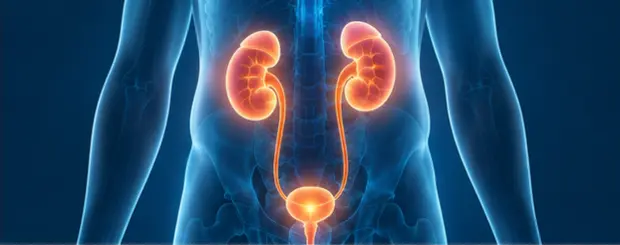
Illustrative care imagery
Understanding prostate care
The prostate sits below the bladder. Enlargement can affect urine flow, but symptoms can also arise for other reasons. An enlarged prostate does not automatically mean cancer.
Symptoms and concerns to discuss
- Weak or stop-start flow
- Straining or hesitation
- Waking repeatedly to pass urine
- Incomplete emptying
- Urgency
When should you see a urologist?
Arrange an assessment for persistent symptoms, a new change, recurrent problems or a concern you would like to understand. Seek immediate care for urgent symptoms rather than waiting for an appointment.
How is it evaluated?
Your doctor may assess symptom severity, examine you, review urine tests and discuss appropriate investigations. The benefits and limitations of a PSA blood test should be explained if it is considered.
Possible treatment approaches
Monitoring, lifestyle advice and medication may be options. The plan also considers complications and how much symptoms affect everyday life.
When might a procedure be considered?
TURP, TUIP or bladder-neck incision may be considered in selected patients. Your doctor will explain why a procedure is proposed, alternatives and potential effects.
Why consult MUSIC?
Discuss your concern with Dr. Sukesh Sindhey S in a focused specialist setting. Ask about the findings, alternatives and what each option means for you. Where hospital care or another specialist is needed, the next step can be discussed.
Common questions
Why is my urine flow becoming weaker?
What causes frequent urination?
What causes difficulty passing urine?
Further patient information
You don’t have to keep guessing what the symptom means.
Whether the concern is painful, persistent or difficult to talk about, start with a conversation about what is happening and what to do next.