
When urination starts controlling your day, it’s worth finding out why.
Frequent toilet visits, discomfort or changes in flow can affect sleep, work and confidence. A careful assessment can help identify the cause.
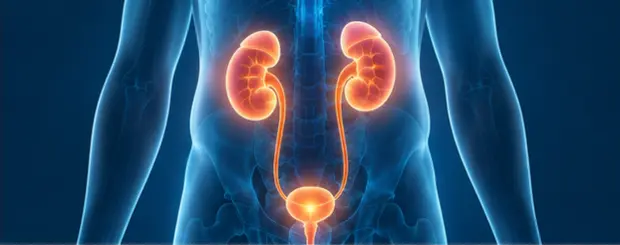

Illustrative care imagery
Understanding urinary problems
Urinary symptoms describe a problem, rather than a single diagnosis. Infection, bladder function, narrowing or prostate-related obstruction are among possible causes.
Symptoms and concerns to discuss
- Burning or pain
- Frequent or urgent urination
- Difficulty starting or a weak stream
- Feeling the bladder has not emptied
- Recurrent urinary infections
- Blood in urine
When should you see a urologist?
Arrange an assessment for persistent symptoms, a new change, recurrent problems or a concern you would like to understand. Seek immediate care for urgent symptoms rather than waiting for an appointment.
How is it evaluated?
The consultation may include a symptom history, examination and urine testing. A bladder scan or urine-flow test may be useful in some cases.
Possible treatment approaches
Care depends on the cause and may involve changes in habits, prescribed medication or further investigation. Repeated symptoms should not simply be treated without reviewing why they recur.
When might a procedure be considered?
A procedure is considered only when there is an appropriate clinical reason, such as a significant obstruction. Not all urinary symptoms require surgery.
Why consult MUSIC?
Discuss your concern with Dr. Sukesh Sindhey S in a focused specialist setting. Ask about the findings, alternatives and what each option means for you. Where hospital care or another specialist is needed, the next step can be discussed.
Common questions
Why is my urine flow becoming weaker?
What causes frequent urination?
What causes difficulty passing urine?
Further patient information
You don’t have to keep guessing what the symptom means.
Whether the concern is painful, persistent or difficult to talk about, start with a conversation about what is happening and what to do next.