
Urinary symptoms should not quietly limit your everyday life.
Leakage, urgency and recurrent infections deserve a proper assessment. You can discuss these concerns in a respectful setting.

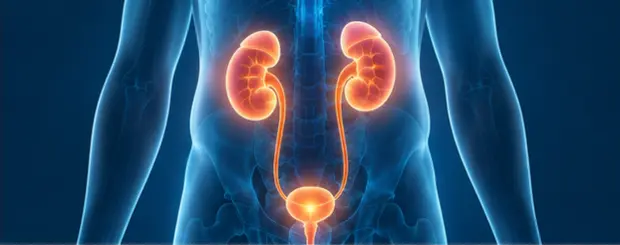
Illustrative care imagery
Understanding female urology
Female urology includes urinary leakage, emptying problems, recurrent infections and certain pelvic or urinary-tract conditions. Symptoms can overlap and may need a focused evaluation.
Symptoms and concerns to discuss
- Leakage when coughing or exerting yourself
- Urgency or frequent urination
- Difficulty emptying the bladder
- Repeated urinary infections
When should you see a urologist?
Arrange an assessment for persistent symptoms, a new change, recurrent problems or a concern you would like to understand. Seek immediate care for urgent symptoms rather than waiting for an appointment.
How is it evaluated?
The doctor may discuss bladder habits, childbirth and surgical history, examine you with consent, and recommend urine tests or a bladder assessment.
Possible treatment approaches
Approaches may include bladder training, supervised pelvic-floor support, medication or treatment of an identified cause. Suitability depends on the diagnosis.
When might a procedure be considered?
Dr. Sukesh’s supplied experience includes stress-incontinence procedures, cystocele repair and vesicovaginal fistula repair. A consultation establishes whether a procedure or referral is appropriate.
Why consult MUSIC?
Discuss your concern with Dr. Sukesh Sindhey S in a focused specialist setting. Ask about the findings, alternatives and what each option means for you. Where hospital care or another specialist is needed, the next step can be discussed.
Common questions
What does a urologist treat?
When should I see a urologist?
Does blood in urine always mean something serious?
Further patient information
You don’t have to keep guessing what the symptom means.
Whether the concern is painful, persistent or difficult to talk about, start with a conversation about what is happening and what to do next.