
Kidney stone pain can be intense. Getting the right evaluation shouldn’t be complicated.
A consultation helps clarify the size and position of a stone, whether it is blocking urine flow, and which options may be appropriate.

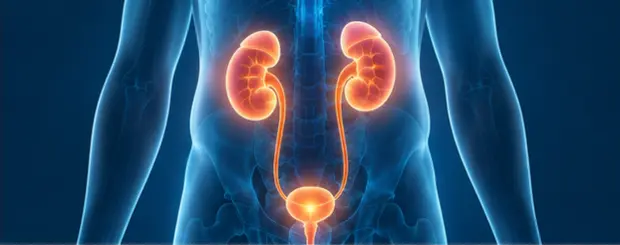
Illustrative care imagery
Understanding kidney stones
Kidney stones are solid deposits that form in the kidneys. A stone can remain there or move into the ureter, the tube carrying urine to the bladder. Symptoms alone cannot establish its size or position.
Symptoms and concerns to discuss
- Pain in the side, back or groin
- Blood in urine
- Burning or urgency when passing urine
- Nausea or vomiting
When should you see a urologist?
Arrange an assessment for persistent symptoms, a new change, recurrent problems or a concern you would like to understand. Seek immediate care for urgent symptoms rather than waiting for an appointment.
How is it evaluated?
Your symptoms, examination, urine tests and suitable imaging help guide assessment. Blood tests may be used to assess kidney function or infection.
Possible treatment approaches
Some stones can be observed with follow-up. Others need a procedure because of their size, location, obstruction or symptoms. Infection and kidney function also affect the decision.
When might a procedure be considered?
Ureteroscopy/URSL, RIRS or PCNL may be discussed after assessment. A DJ stent may be used to support drainage; it is not always a treatment for the stone itself. The removal or exchange plan should be clear.
Prevention is individual
Follow-up may include stone analysis and discussion of fluid intake or diet. Ask for advice that takes your medical history into account.
Why consult MUSIC?
Discuss your concern with Dr. Sukesh Sindhey S in a focused specialist setting. Ask about the findings, alternatives and what each option means for you. Where hospital care or another specialist is needed, the next step can be discussed.
Common questions
Can kidney stones pass naturally?
When does a kidney stone need surgery?
What is RIRS?
Further patient information
You don’t have to keep guessing what the symptom means.
Whether the concern is painful, persistent or difficult to talk about, start with a conversation about what is happening and what to do next.