
A change in urine flow deserves a closer look.
A urethral stricture can make passing urine difficult. Assessment helps establish the location and extent of narrowing before treatment is discussed.

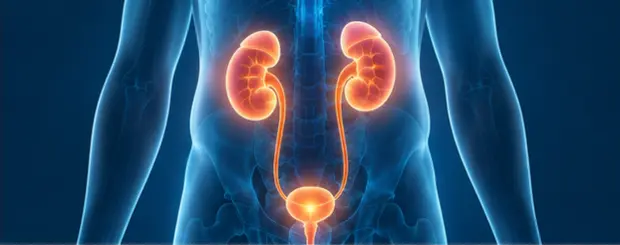
Illustrative care imagery
Understanding urethral stricture
A stricture is a narrowing of the urethra, often related to scar tissue. Similar symptoms can have other causes, so a diagnosis requires evaluation.
Symptoms and concerns to discuss
- A weak or spraying stream
- Straining to urinate
- Incomplete emptying
- Recurrent infection or difficulty passing urine
When should you see a urologist?
Arrange an assessment for persistent symptoms, a new change, recurrent problems or a concern you would like to understand. Seek immediate care for urgent symptoms rather than waiting for an appointment.
How is it evaluated?
Tests may include a urine-flow assessment, a bladder scan, an X-ray study of the urethra or a camera examination, depending on the concern.
Possible treatment approaches
Options depend on the length, location and history of the stricture. Previous treatments and their effects also matter.
When might a procedure be considered?
Dilatation, visual internal urethrotomy (VIU) or urethroplasty may be considered. Reconstructive options can include a buccal mucosal graft or joining healthy urethral ends. The clinician explains suitability and recurrence risk.
Why consult MUSIC?
Discuss your concern with Dr. Sukesh Sindhey S in a focused specialist setting. Ask about the findings, alternatives and what each option means for you. Where hospital care or another specialist is needed, the next step can be discussed.
Common questions
Why is my urine flow becoming weaker?
What causes frequent urination?
What causes difficulty passing urine?
Further patient information
You don’t have to keep guessing what the symptom means.
Whether the concern is painful, persistent or difficult to talk about, start with a conversation about what is happening and what to do next.